

Step 1: Look Back Without Judgment
Start by remembering. Not the big accomplishments—the small moments. What did you do for hours without checking the clock? What made you lose track of time? This isn't about what was "sensible" or "practical." We're looking for genuine interest.
Think back to your 20s, even your teenage years. What activities felt effortless? Were you drawing? Writing? Building things? Playing music? Gardening? Having long conversations about specific topics? The form doesn't matter—what matters is the feeling behind it.
Quick Exercise:
Write down 5-7 activities from your past that you genuinely enjoyed. Not things you were good at. Not things that impressed people. Things that felt like play. Don't overthink it—5 minutes, pen and paper, that's all you need.

Step 2: Notice What You're Drawn To Now
You're different than you were at 25. Your interests have evolved. So pay attention to what captures your attention today. What do you find yourself researching online? What videos do you watch? What conversations pull you in?
Maybe you're scrolling through cooking videos at midnight. Perhaps you've been reading about local history. Or you keep looking at photography courses. Don't dismiss these as distractions. They're signals. Your brain's telling you something interests it.
The overlap between what you loved years ago and what intrigues you now—that's where your real passions live. A person who loved building with Lego might now be fascinated by woodworking. Someone who spent hours with sketchbooks might feel drawn to photography. The core curiosity evolves but stays recognizable.
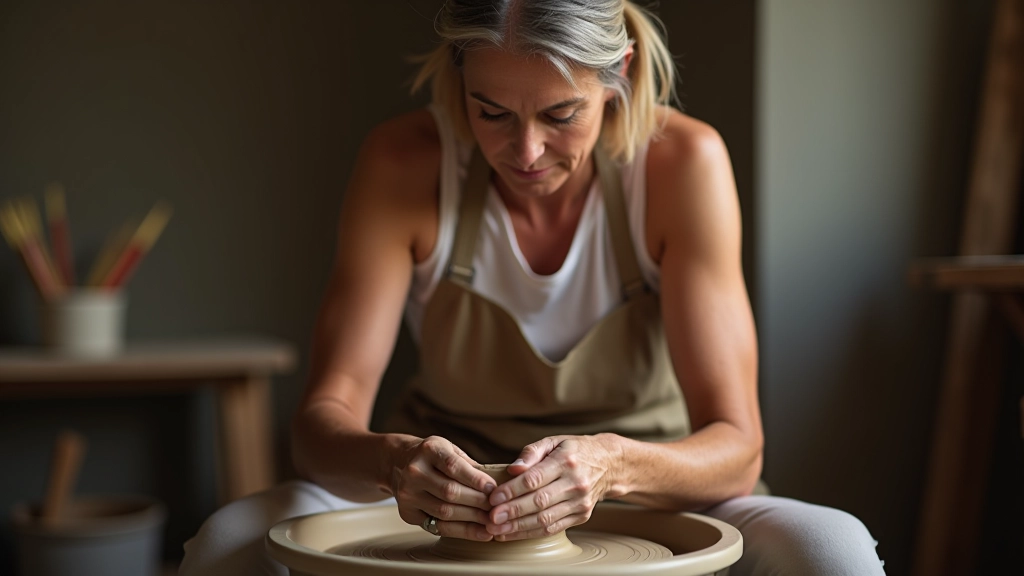
Step 3: Start Small and Specific
Here's where most people stumble. They think passion requires perfection, talent, or serious time investment. So they don't start. But passion isn't built that way. It's built through small, repeated experiences.
Don't commit to "getting into photography." Instead: "I'll spend 30 minutes this Saturday morning with my phone's camera." Not "learn to cook better." Try: "I'll make one new recipe next week." Not "take up painting." Maybe: "I'll grab a sketchbook and sit at the café for an hour."
These small sessions do something important. They remove the pressure. They let you experience the activity without the identity weight of "becoming" something. And they're actually sustainable. You can do a 30-minute activity once a week. You might not be able to "commit to a new hobby," but you can definitely find 30 minutes.
Key insight: Consistency beats intensity. One hour a week for 12 weeks will teach you more about whether something's a real passion than 12 hours in one weekend.

Step 4: Expect Awkwardness
When you restart something after years away, it won't feel natural immediately. Your hands might feel clumsy. Your instincts might be rusty. The language or techniques will have evolved. This is completely normal, and it's temporary.
The discomfort usually lasts 3-4 weeks. After that, muscle memory kicks in. Techniques become familiar again. You stop thinking about the basics and can actually focus on enjoying the activity. This is where most people quit—right before it gets good.
So give yourself permission to be a beginner. You're not competing with anyone. You're not trying to impress. You're just rediscovering something for yourself. That's enough.
Step 5: Build a Tiny Structure
Passion without structure often fades. It gets squeezed out by urgent tasks and obligations. So create one small anchor. Maybe it's Saturday morning at 9 AM for an hour. Maybe it's Wednesday evenings. Maybe it's every other Sunday. Pick a time and protect it.
You don't need much. Just enough regularity that it becomes part of your rhythm. Your brain starts to expect it. You look forward to it. Other people in your life know it's happening and work around it. That tiny bit of structure is what turns a passing interest into a genuine part of your life.

The Real Shift Happens Quietly
You won't wake up one day "transformed." That's not how this works. Instead, you'll notice small things. You're thinking about your painting on Tuesday afternoon. You're genuinely looking forward to your writing session. You catch yourself humming while doing something creative. You feel a bit more like yourself.
That's the real win. Not becoming an expert or impressive. Just reconnecting with something that makes you feel alive. And honestly? At this stage of life, that matters more than almost anything else.
Start with your list. Remember what you loved. Notice what draws you now. Pick something small. Show up consistently. Be patient with the awkwardness. You've got this.
Disclaimer:
This article is informational and educational in nature. It's designed to help you explore approaches to reconnecting with activities and interests that bring fulfillment. Individual circumstances vary widely. If you're experiencing depression, anxiety, or other significant emotional challenges, these practical suggestions complement—but don't replace—professional support. Consider speaking with a counselor, therapist, or your healthcare provider if you're struggling. This content isn't a substitute for personalized professional guidance.